
Website preview · The Center for Great Expectations
Previewing at
The Center for Great Expectations
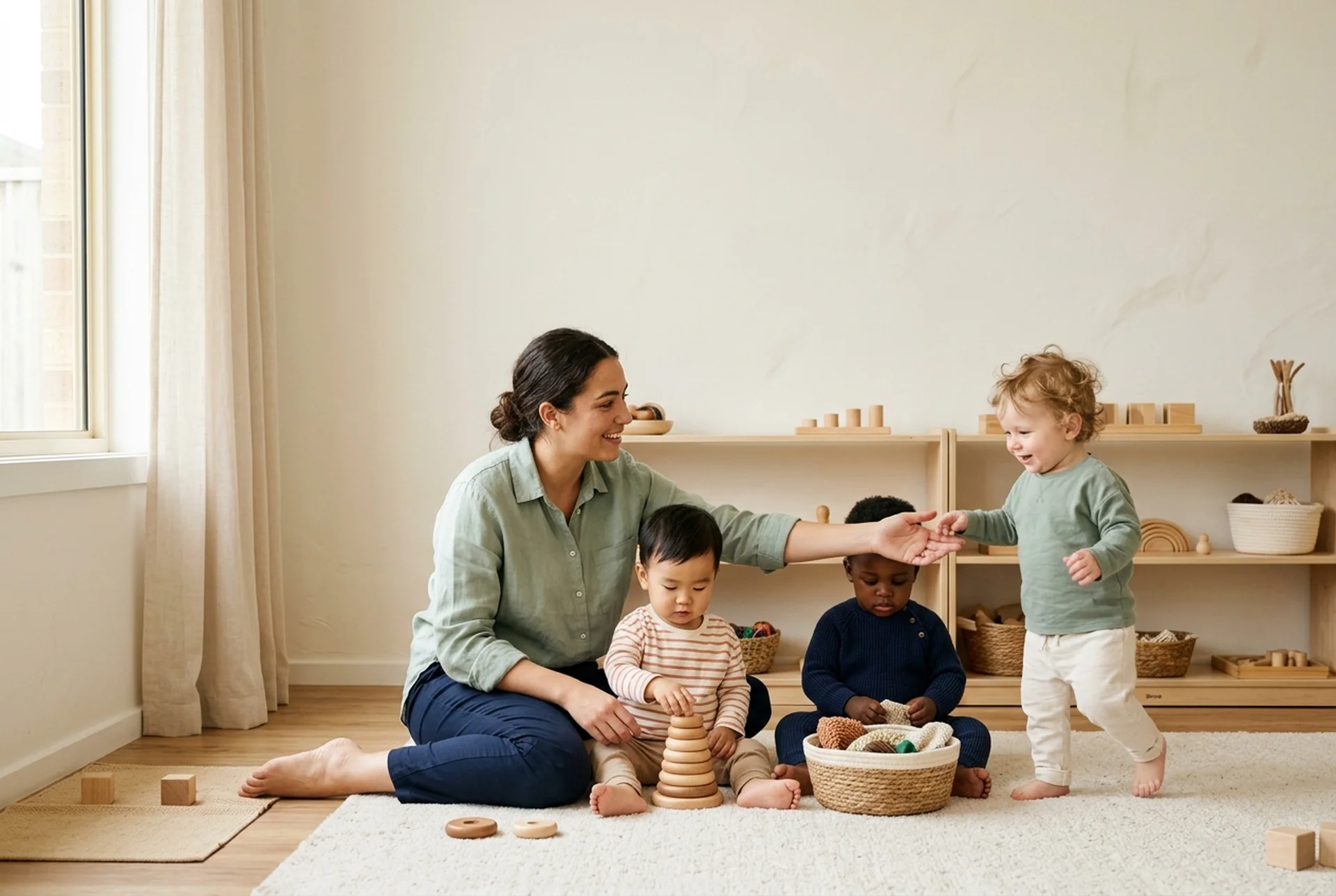
AI-generated illustrative image — Representative classroom scene of three young toddlers exploring with an educator nearby

Adolescent Residential.

Treatment and support for pregnant or parenting young women and their children.

What to expect

Working to end the cycle of trauma, abuse and homelessness among young women.

This program provides mental health treatment to pregnant or parenting women between the ages of 13 and 20, and their children up to age 5. At this young age, many have already experienced trauma, violence, homelessness, and poverty. The program supports them without judgment.


Intensive Case Management

We partner with the Board of Social Services, Medicaid, Social Security, housing, employment services, the Division of Child Protection and Permanency, Care Management Organizations, and the legal system. Staff also provide hands-on support in daily needs. Collaborating with all these systems helps each young mother get the services she needs.

Lisette Morales, MSW

This program is the state's sole residential program for adolescents who are pregnant or parenting and have mental health issues. To begin the process with PerformCare, please call. The team will walk you through the steps and answer questions about eligibility and what comes next.

Adolescent Residential Program

This program provides mental health treatment to pregnant or parenting young women and their children. Staff support healing from trauma and connect families with housing, benefits, and legal help. Families can ask what a typical week looks like.

What this looks like in practice

In a residential setting like this, days follow a steady rhythm. Mothers care for their children, attend treatment, and practice routines that carry into daily life. Children eat, nap, and play nearby. Parents can expect to be involved in care planning and to see progress measured over time.

For a young child, the benefit is steadiness. When a mother gets consistent treatment and support, a baby learns that someone will answer when they cry. A toddler learns that meals come, naps happen, and the same faces return each day. That predictability shapes how a child trusts and connects with others. At home, a parent may notice their child settling faster, sleeping better, or reaching for them more easily.

An adult with braided hair and glasses holds a smiling baby in a white patterned shirt and blue jeans up in the air against a blue sky.
A toddler in a white long-sleeve shirt leans forward on hands while a seated person in a gray shirt sits beside them indoors.

See this room in person

TC
Hi! I'm your virtual assistant
How can I help you today?
TC
The Center for Great Expectations Assistant
Ask about tours, programs, and enrollment.
Hi! I can help with The Center for Great Expectations questions.
Powered by EnrollIQ