

Website preview · The Center for Great Expectations
Previewing at
The Center for Great Expectations
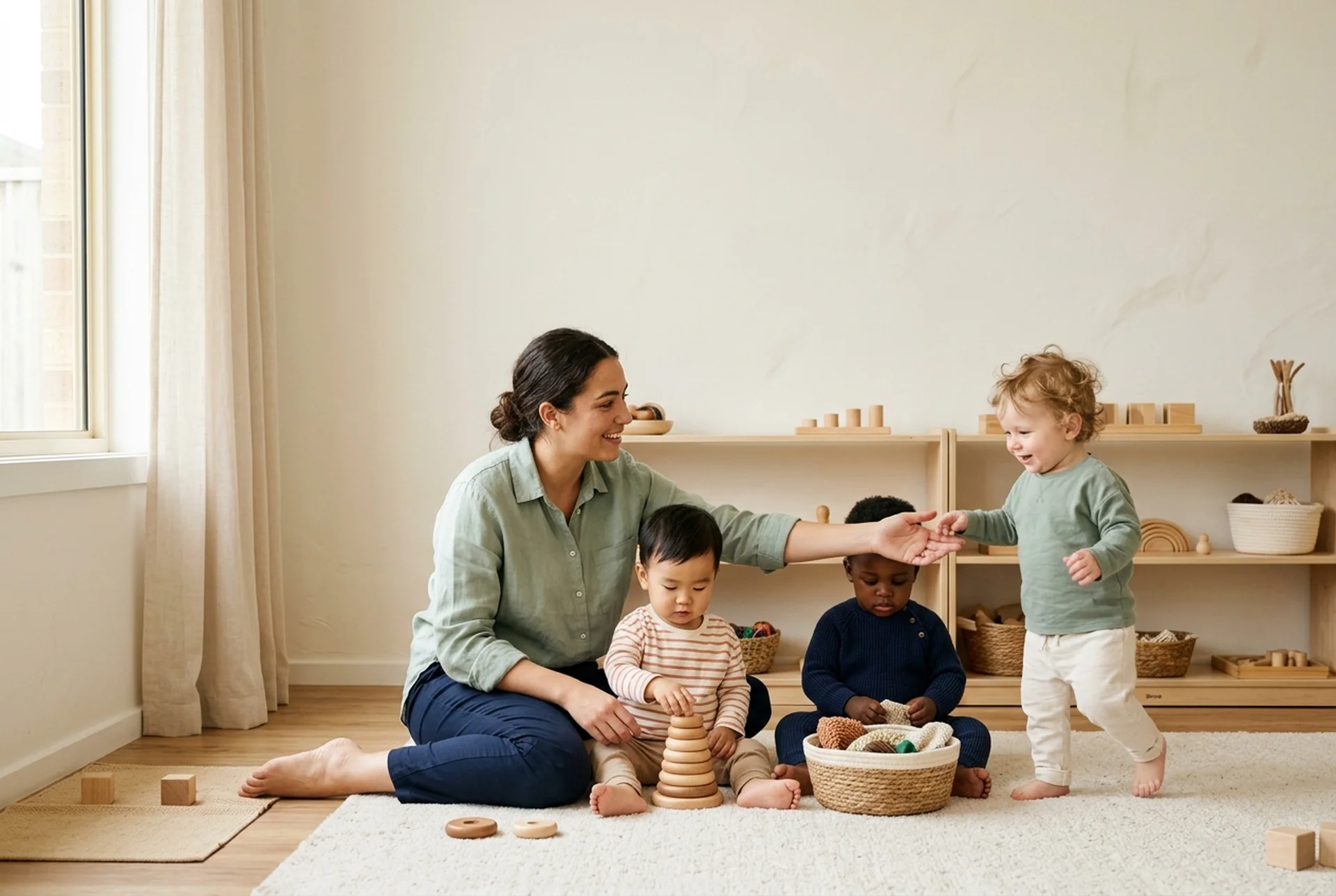
AI-generated illustrative image — Representative classroom scene of three young toddlers exploring with an educator nearby

Adolescent Residential.

A residential program where pregnant and parenting young mothers and their children heal together.

The Adolescent Residential room

Mothers and children live here together. A mother can receive substance use and mental health treatment while her child stays with her, cared for in the same building. Staff work with both of them, day by day, through the routines of feeding, sleeping, playing, and resting.

The setting is calm and predictable. Rooms are arranged so a mother can care for her child and still get her own support. Care is trauma-informed, which means staff move at a pace each family can handle and build trust over time.

Children gain something steady: a parent who is present and supported. That closeness, from pregnancy through the early years, is what the program is built around.

An adult with braided hair and glasses holds a smiling baby in a white patterned shirt and blue jeans up in the air against a blue sky.
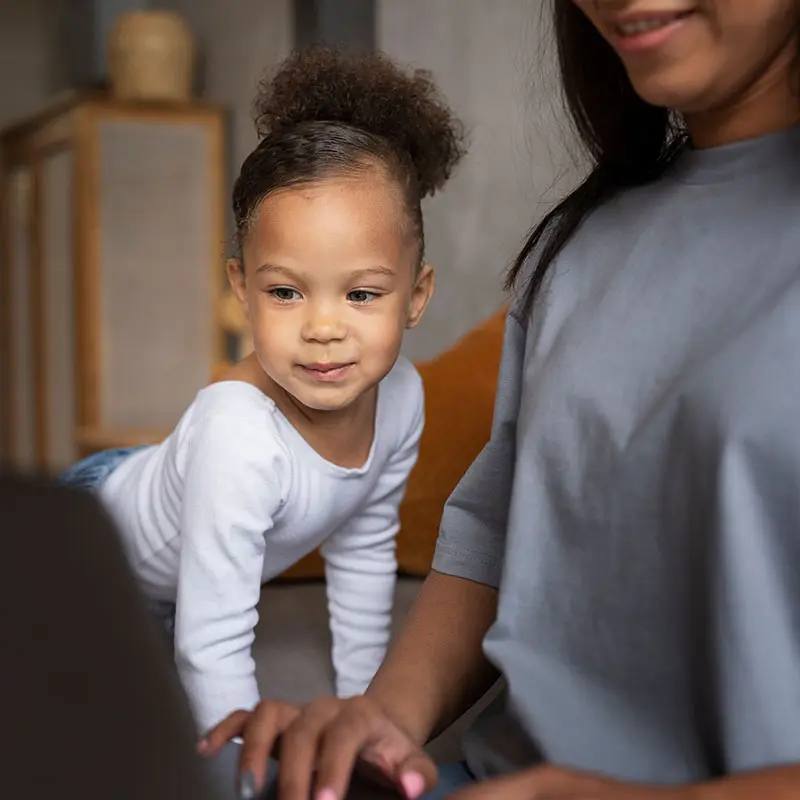
A toddler in a white long-sleeve shirt leans forward on hands while a seated person in a gray shirt sits beside them indoors.

What to expect

Many of the women who walk through the doors of our Adult Residential house are homeless. Many, along with their children, have experienced Adverse Childhood Experiences (ACEs) and other trauma and are in need of integrated substance use and mental health treatment.

This program serves pregnant and parenting women and their young children. It is a place to stay for those who need specialized care, and children stay with their mothers. Families can ask staff what a typical day looks like and what to bring.

CGE Relational Recovery Model

The program is built on CGE's relational recovery model. That means care happens in relationships: a safe setting, trauma-informed support, and connections that help a mother move forward. The Early Relational Health focus supports a child's resilience from pregnancy through age five.

Inclusive Support for Families

Mothers and children enter treatment together here. A mother does not have to choose between her own care and staying with her child. Both receive support at the same time, in the same place, so the family stays together.

Addressing Homelessness & Trauma

Serving women grappling with homelessness, ACEs, and the need for comprehensive substance use and mental health treatment.

Relational Recovery Model

Healing here is active, not passive. Staff create a safe setting and use trauma-informed care. Relationships with staff and peers are part of the work, and they are meant to give a mother support she can rely on.

Early Relational Health

Trauma can pass from one generation to the next. This program works to change that by strengthening the bond between parent and child. Staff use a strengths-based approach, building on what a mother already does well.

What this looks like in practice

In a residential program like this, mothers and children live on site and take part in treatment during the week. Children stay with their mothers rather than being separated. Days include care routines, time with staff, and support for the mother's recovery. Ask the program what a typical day includes.

When a mother gets treatment and stays with her child, the child keeps one steady person. That continuity shows up at home: a child who settles more easily, sleeps better, and seeks comfort from a parent. The program's Early Relational Health focus supports that bond through age five.

See this room in person

TC
Hi! I'm your virtual assistant
How can I help you today?
TC
The Center for Great Expectations Assistant
Ask about tours, programs, and enrollment.
Hi! I can help with The Center for Great Expectations questions.
Powered by EnrollIQ